
Effective Methods to Manage Waste During Construction Projects
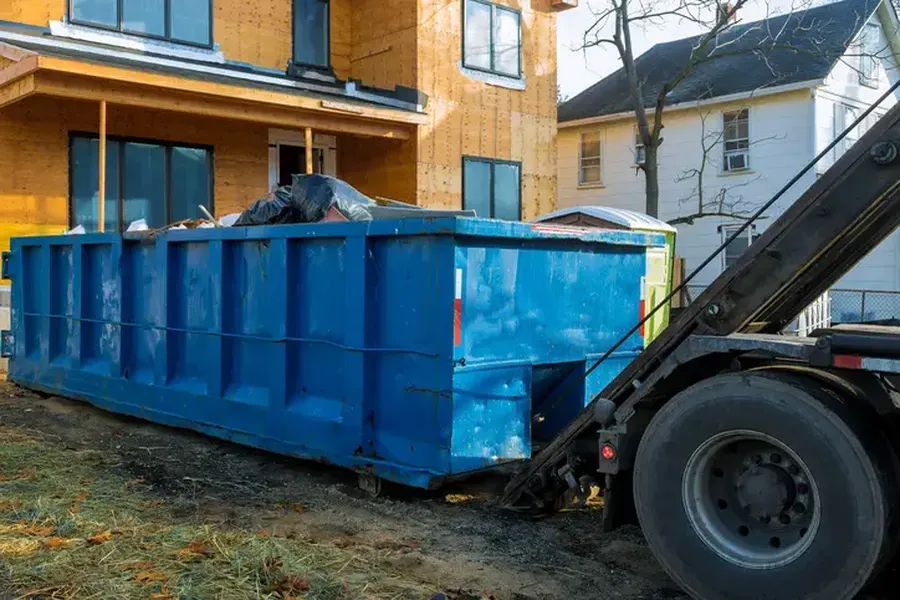
Managing debris on a construction site is essential for ensuring safety and efficiency. Without proper waste management, projects can face delays and increased costs. Effective strategies are necessary to handle debris in a manner that is environmentally friendly and cost-effective. This guide outlines several methods and practices to help you manage construction waste effectively.
Understanding the Importance of Debris Management
Efficient debris management is crucial because it helps maintain a safe work environment and ensures compliance with environmental regulations. Failure to manage waste properly can lead to accidents and hefty fines. It also contributes to a cleaner workspace, which boosts morale among workers and improves productivity.
Streamlining the Collection Process
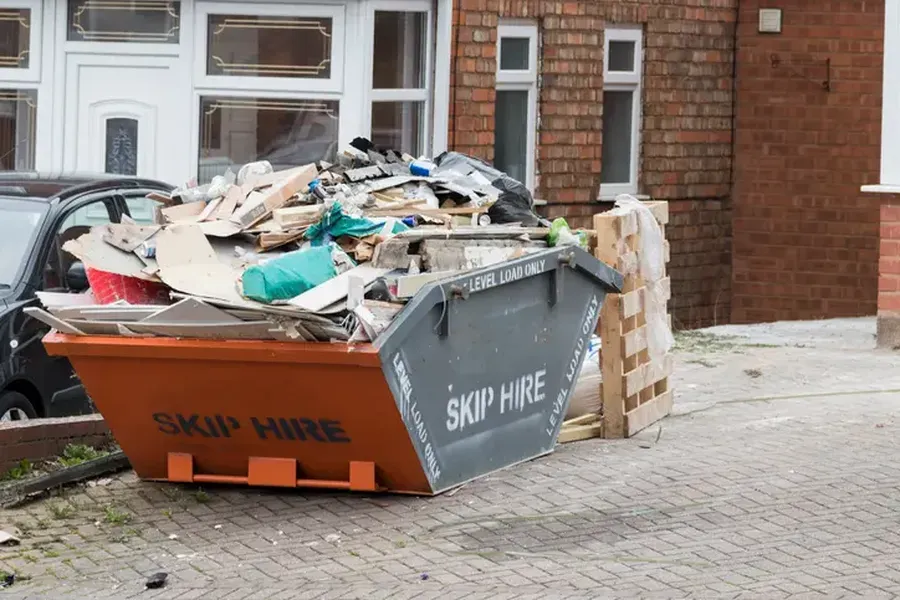
A structured collection process is key to efficient construction debris removal. Organizing waste into categories such as wood, metal, and hazardous materials simplifies recycling efforts and reduces disposal costs. By sorting debris on-site, you minimize contamination and increase the amount of material that can be reused or recycled.
Utilizing Recycling Opportunities
Recycling plays a significant role in managing construction debris efficiently. Many materials, including concrete, metals, and certain plastics, can be recycled. Establish relationships with local recycling centers to understand what materials they accept. This not only reduces landfill waste but also often lowers disposal costs.
Implementing On-Site Waste Reduction Practices
Reducing waste at its source is one of the most effective ways to manage construction debris. Encourage practices like precise material ordering and just-in-time delivery to limit excess. Adopting modular construction techniques can also reduce waste, as these methods typically result in less off-cut material.
Ensuring Compliance With Regulations
Compliance with local regulations regarding waste disposal is non-negotiable. Regulations may dictate how certain types of waste must be handled, especially hazardous materials. Ensure your team is trained on these rules to avoid penalties and ensure safety standards are met.
Optimizing Disposal Costs
Disposal costs can significantly impact your project’s budget. To optimize these expenses, consider negotiating contracts with waste management companies based on volume and frequency of pickups. Some companies offer discounts for segregated waste streams because it reduces their processing costs.
The Role of Technology in Waste Management
Technology can greatly enhance construction site efficiency, including in debris management. GPS trackers in dump trucks can optimize routes to reduce fuel consumption and emissions. Additionally, apps that track waste generation help project managers make more informed decisions about resource allocation.
- Assess your site’s specific needs and create a waste management plan.
- Train staff regularly on proper sorting and disposal techniques.
- Partner with recycling facilities to maximize material reuse.
- Monitor compliance with all regulatory requirements.
- Evaluate the effectiveness of current strategies periodically.
Tackling Common Challenges in Debris Management
Construction sites often face challenges such as space constraints for sorting areas or lack of staff training. Address these issues by investing in compact sorting equipment and conducting regular training sessions. Consider dedicating space within the site layout specifically for waste management activities.
Your Partner in Efficient Waste Management Solutions
If you’re looking for expert advice on managing your construction site’s debris efficiently, Trash Talk Roll Off is here to help. Our team is located in Lawton, OK and offers tailored solutions that meet both regulatory demands and operational needs. Contact us today at (580) 260-5337 to learn how we can support your next project.